

InFlightAI Computer Vision Model
Thermal Anomaly Detection




AI Model Overview
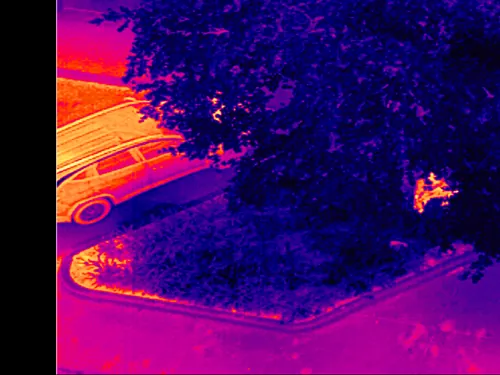
InFlightAI’s Thermal Anomaly Detection model uses computer vision and thermal imaging AI to automatically identify abnormal heat signatures across equipment and infrastructure. It detects early indicators of overheating, electrical faults, and mechanical failure, enabling proactive maintenance and reducing unplanned downtime.
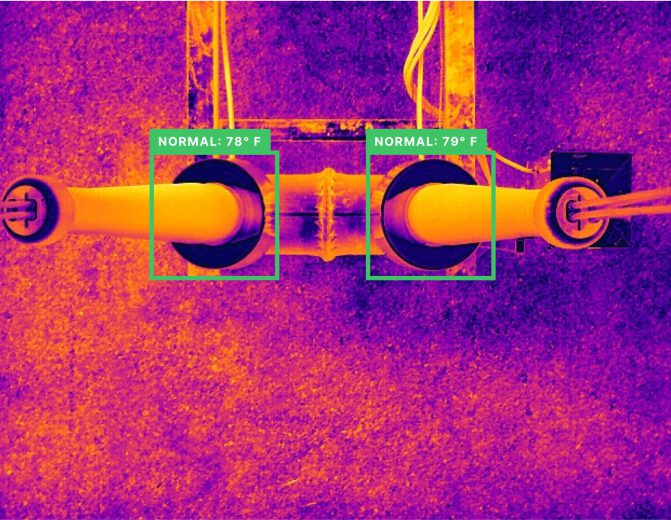
The thermal image is read with each area judged relative to its surroundings rather than against a fixed temperature cutoff — so an asset running warm on a warm day isn’t flagged simply for being warm. A thermal-capable payload is required.
Overheating connections, bearings and motors surface before they fail in service. Region comparison separates normal operating heat from a genuine anomaly, which cuts false positives, and the model covers conditions with no other visual signature — standing water, mold, tank sediment, steam leaks. Because readings are logged per asset, degradation reads as a trend rather than a snapshot.
How It Works
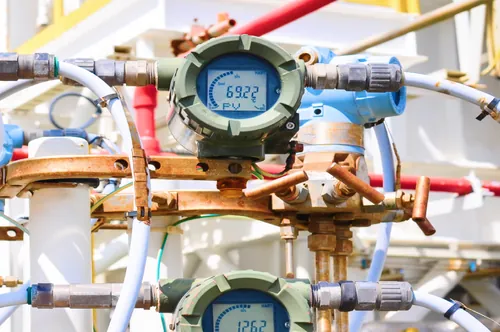
Thermal Anomaly Detection returns digitized temperature output. It identifies overheating motors and bearings, overheating oil and electrical connections, partial discharge and arc flashing, and offline assets running cold. It also covers standing water and rooftop leaks, mold, temperature-defined sediment in oil tanks, and steam leaks on assembly lines.
Up to eight regions can be defined in a single image and compared against one another, so an alert can trigger on the largest difference between regions rather than on either one alone. Maximum, minimum and average temperature are reported for the full image and for every defined region, alongside dynamic and static legends and a regional overlay on the raw camera capture where the device provides it. Optional statistical outlier rejection handles scenes with reflective or intermittent heat sources.
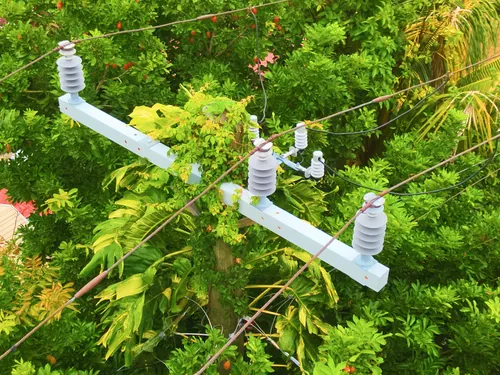
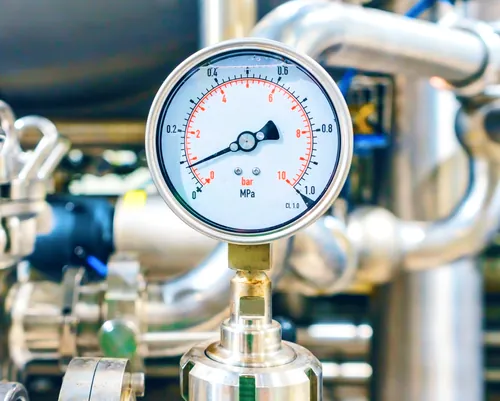
Thermal Anomaly Detection is an asset maintenance model, currently deployed across industries like Electric Utilities, Oil & Gas, Manufacturing, Logistics, Power Generation, Nuclear and Mining. Detections are returned after the flight has landed, once imagery and waypoint data have been synced to the platform. The model is ready from day one, with no site-specific configuration required.